Case Study: Mining Traceability around Bulk Materials and Digital Product Passport Compliance with Boliden

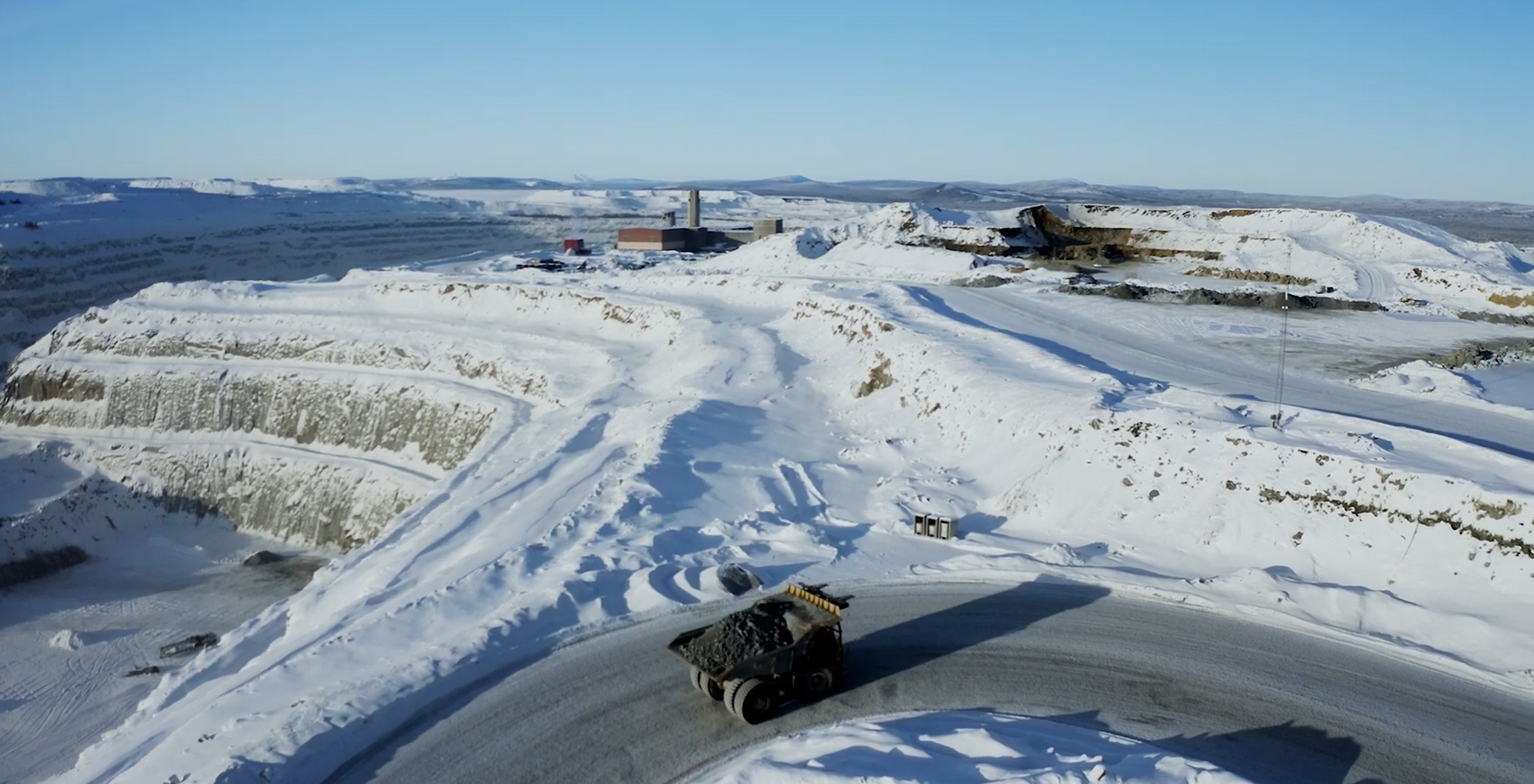
Mining operations are redefining traceability around bulk materials, chain-of-custody verification, and Digital Product Passport compliance as regulators and downstream customers demand verifiable origin and sustainability data. In modern mineral supply chains, traceability no longer ends at shipment documentation; it requires a secure and continuous digital record that follows material from extraction to industrial use.
Mining traceability works at batch and container scale across remote sites and multiple intermediaries, facing the challenge of linking bulk materials to reliable, auditable digital identities in environments with limited connectivity, inconsistent standards, and uncertain data integrity.
Case Study: Boliden
Boliden needed to implement a bulk-level and chain-of-custody traceability framework across its green copper operations to strengthen origin verification, sustainability transparency, and compliance readiness. Operating in rugged mining environments with limited connectivity, Boliden faced the structural difficulty of capturing reliable and geolocated production data at the point of extraction and maintaining data integrity as copper batches moved across facilities and logistics nodes. Traditional documentation processes provided limited real-time visibility and were not designed to support emerging Digital Product Passport expectations or increasingly stringent downstream ESG requirements.
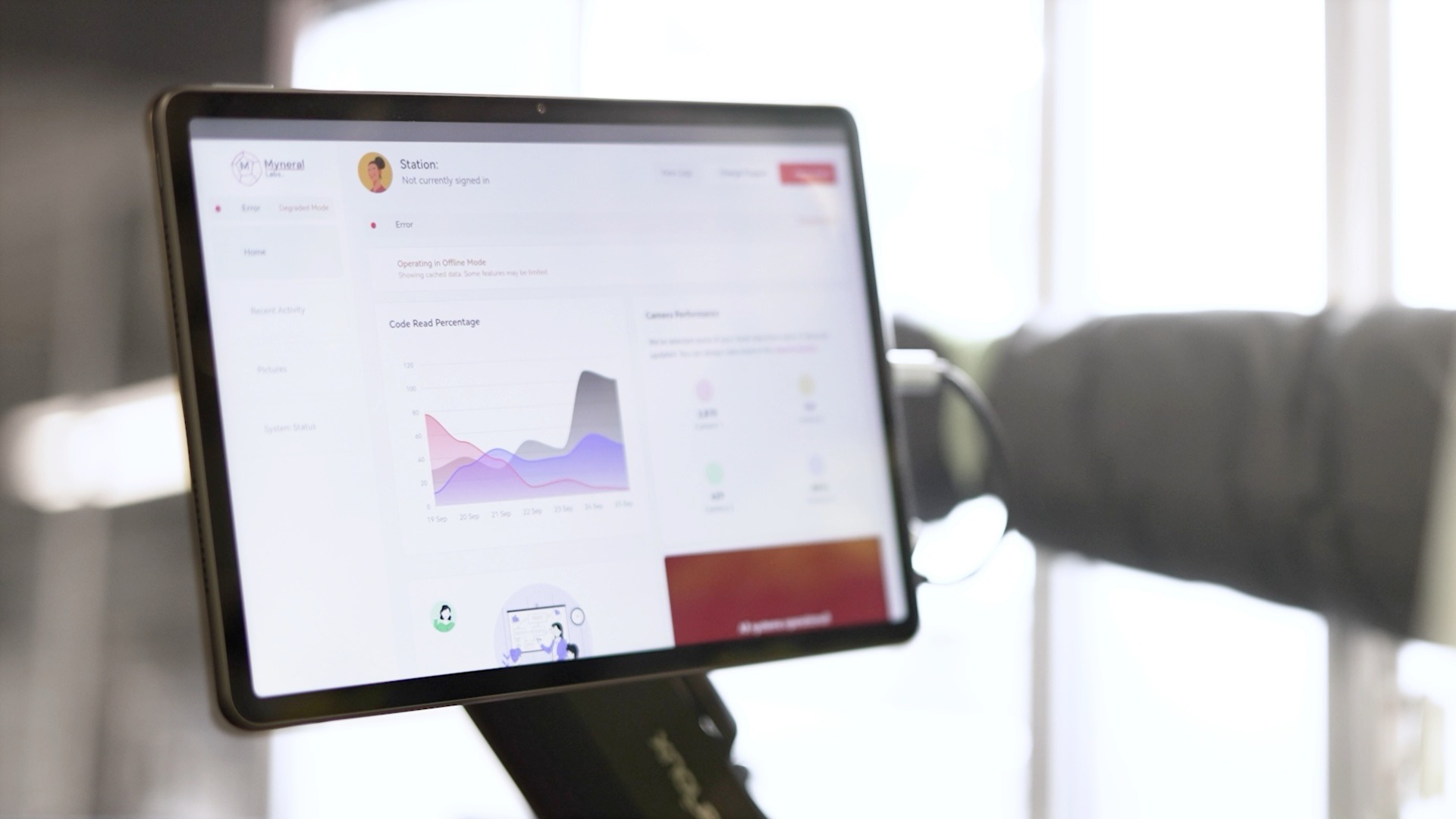
Myneral Labs deployed its MynOne device at mining sites to enable secure data capture in low-connectivity and harsh operating conditions. These rugged hardware units allowed operators to register geolocated production events and batch-level information directly at the source. RFID tags and other physical identification consumables were assigned to batches and containers, creating a tangible link between physical material and its digital identity. All captured data was anchored within Myneral Labs’ blockchain layer and structured through Myneral Trace, providing Boliden with a live control tower environment that enabled continuous monitoring of material flows and verifiable chain-of-custody documentation across its green copper operations.
Technology Architecture for Bulk and Chain-of-Custody Traceability
In mining environments, the primary traceability challenge is ensuring data reliability at the point of origin and preserving its integrity as materials move through complex supply chains. At Myneral Labs we can address this constraint with our MynOne devices by enabling on-site data entry and geolocation capture in rugged, low-connectivity conditions. By recording extraction events, batch identifiers, and operational data directly at mining sites, our system reduces reliance on delayed manual reporting and minimizes the risk of data gaps at the earliest stage of the value chain.
Physical identification mechanisms create a persistent connection between bulk material and its digital record. Each tagged batch or container carries a unique identifier that can be scanned and verified at subsequent handling points, ensuring continuity of traceability as copper moves from mine to processing, storage, and shipment. This information is transmitted to and secured within Myneral Labs’ blockchain infrastructure, where it is time-stamped and made tamper-evident. Myneral Trace then organizes this data into a centralized control tower interface, allowing Boliden to monitor material flows, verify origin claims, and prepare structured data outputs aligned with Digital Product Passport and downstream compliance requirements.
The modular architecture allows mining operators to scale traceability across multiple sites while maintaining consistent standards of data capture and verification. By integrating rugged hardware, physical tagging, and a secure digital backbone, the system transforms bulk material traceability from document-based tracking into a continuous and verifiable chain-of-custody framework.
Traceability in Mining Operations
Mining operations are facing increasing scrutiny related to responsible sourcing, carbon footprint disclosure, and regulatory compliance across global markets. Legislative initiatives linked to supply chain due diligence, critical raw material transparency, and Digital Product Passport frameworks are reshaping expectations around how mineral origin and processing data must be recorded and shared.
Downstream manufacturers, particularly in automotive and electronics sectors, are demanding granular and auditable material data to meet their own regulatory and sustainability obligations.
At the same time, investors and industrial buyers are differentiating suppliers based on verifiable sustainability performance rather than self-declared metrics. In this environment, bulk traceability systems that rely on fragmented documentation are insufficient to support credible claims. The mining industry is progressively moving toward structured chain-of-custody architectures that bind physical material flows to secure digital records from extraction onward. Embedding traceability into operational processes at the source is becoming a foundational requirement for maintaining market access and demonstrating compliance in an increasingly data-driven industrial landscape.